
Best Freelance Platforms for Malaysians 2026

There's a paradox every Malaysian freelancer faces: you want to work on good projects, but there are too many platforms to choose from.
Upwork offers global reach. Fiverr promises high volume. Freelancing.my keeps things local.
So which one actually makes sense for you in 2026?
Let's be clear here
It's not just about which platform is "best." It's about which one fits your skills, how much you're willing to compete, and whether you want to think in USD or RM.
We've dug into the numbers, fees, payment methods, and tax implications so you don't have to.
International Freelance Platforms for Malaysians
Upwork: The Global Marketplace
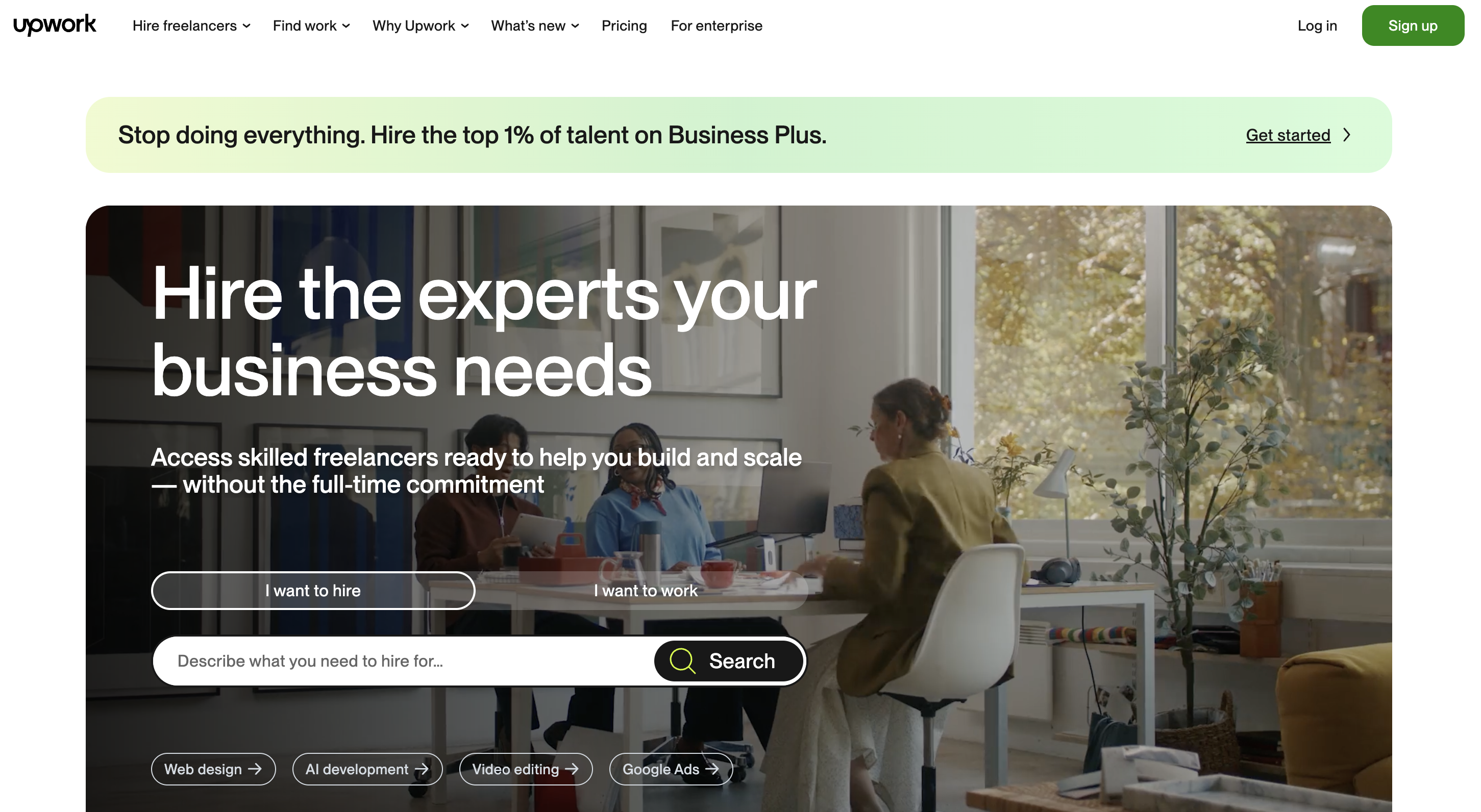
Upwork is where most Malaysian freelancers start. It's the default choice, kind of like how everyone assumes you'll use WhatsApp.
The platform has over 18 million registered freelancers, but don't let that fool you — most of them aren't active.
Fees
Upwork takes a sliding-scale commission.
Your first RM 4,000 (approximately USD 1,000) with a client costs you 20%.
The next RM 4,000 costs 10%.
Anything beyond RM 8,000 incurs a 5% charge.
So if you land a **RM 12,000 project **with a single client, you're paying roughly RM 2,000 in fees.
That stings.
Advantages for Malaysians
The competition is real, but so are the clients. You're bidding against freelancers from everywhere, which means quality matters more than price.
If you're a writer, designer, or developer with a strong portfolio, Upwork clients will pay. The platform also pays directly to your bank via wire transfer, and most Malaysian banks accept it without issue.
Disadvantages for Malaysians
The fees are steep, especially early on. You're also competing with freelancers in lower-cost countries, so expect some lowball offers.
Upwork takes 2–3 business days to process payouts, adding a lag before your payment hits your account.
Upwork is good for
Experienced freelancers with a solid portfolio. If you're charging RM 100+ per hour, the fees hurt less, and you're in a stronger negotiating position.
Fiverr: The Gig Economy Platform
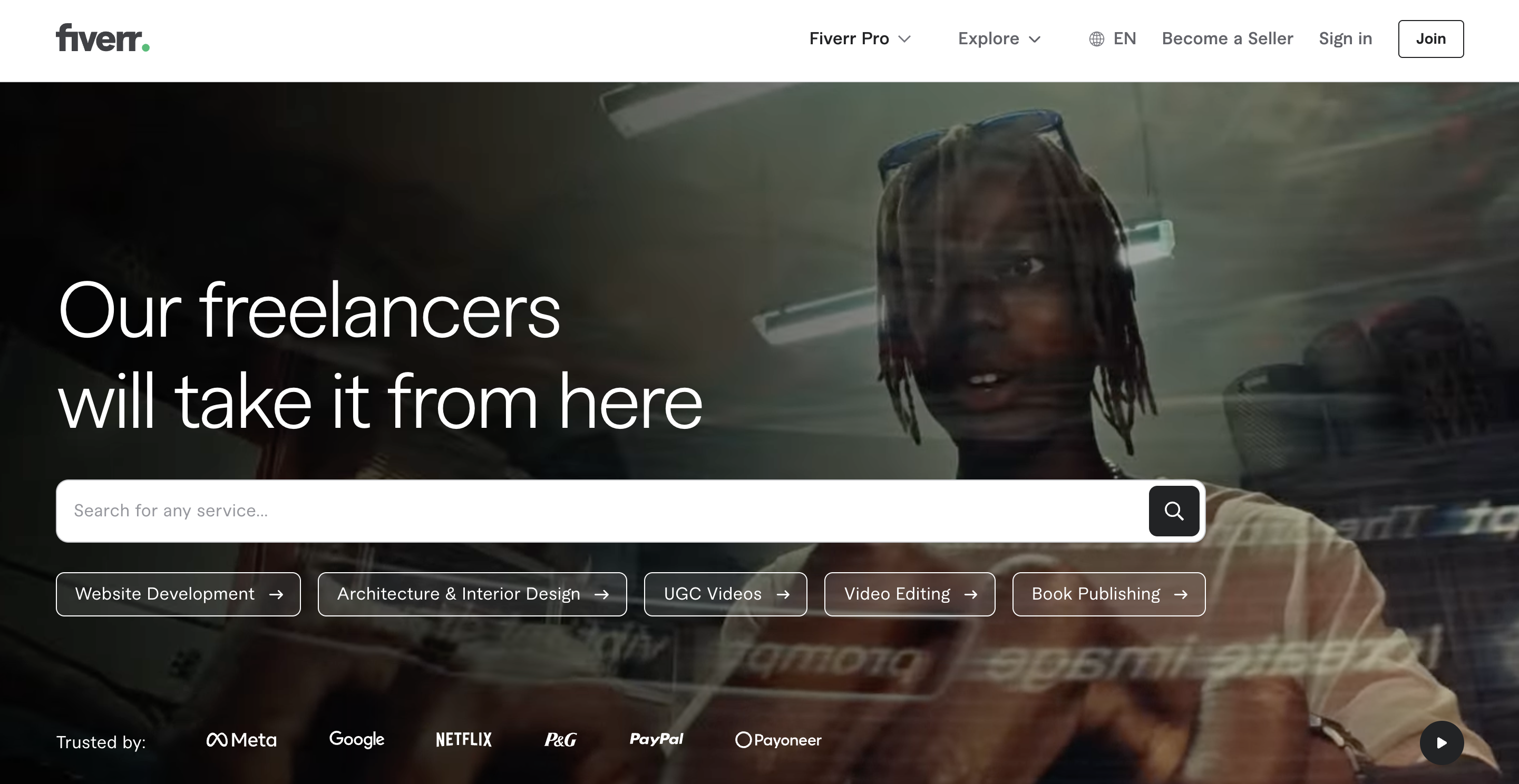
Fiverr flips the Upwork model.
Instead of clients posting jobs and waiting for bids, you create gigs — fixed-price offerings — and buyers come to you.
It's less "find work" and more "wait for discovery."
Fees
Fiverr takes a flat 20% of every gig. Price a gig at RM 100, and you get RM 80.
It's transparent and predictable, which is refreshing compared to Upwork's sliding scale.
You withdraw earnings to your bank or Payoneer account.
Advantages for Malaysians
Volume is king here. Buyers from around the world are constantly browsing.
If you're skilled in voice-over work, writing, graphic design, or video editing, Fiverr can generate consistent income.
The platform is also beginner-friendly — you don't need a flawless portfolio to start.
Disadvantages for Malaysians
Price competition is intense. You'll see RM 10 logo design gigs and RM 5 article writing offers. Fiverr also expects generous revision handling, and buyer ratings can tank your visibility if you're not careful.
Fiverr is good for
Niche services with high-volume potential — voiceovers, writing, social media content, or anything where you can create once and sell many times.
Freelancer.com: The Asia-Pacific Contender
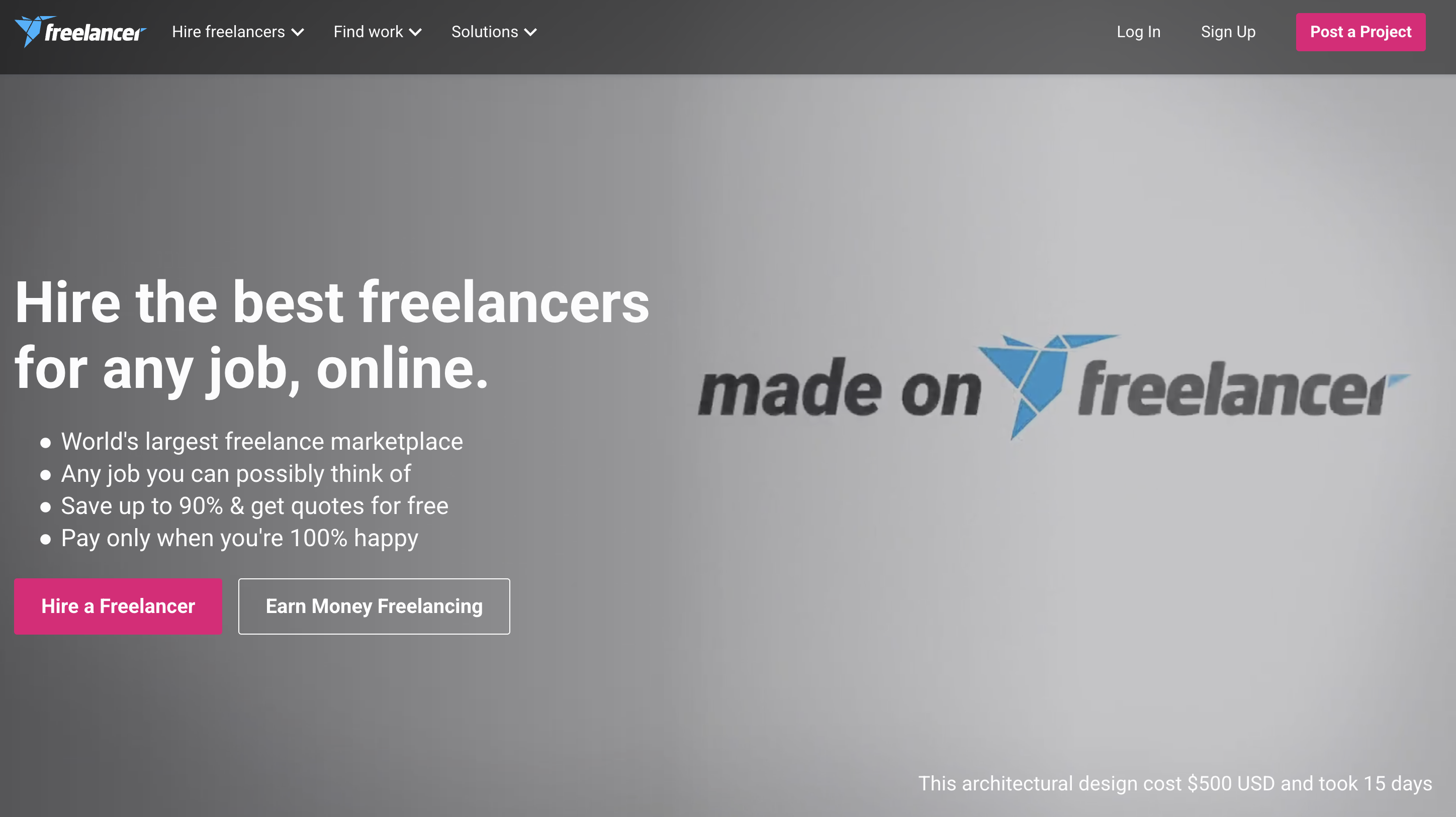
Freelancer.com is the third-largest platform globally, but often overlooked by Malaysian freelancers.
Based in Australia, it has a solid presence across Southeast Asia.
Fees
Freelancer.com charges 10–15% on projects, plus a small per-bid fee (RM 0.50–2 per bid). Overall, cheaper than both Upwork and Fiverr.
Advantages for Malaysians
Lower fees, solid payment methods, and strong visibility in the Asia-Pacific region.
The client pool is slightly less competitive than Upwork's.
Disadvantages for Malaysians
Lower volume and fewer high-paying projects. Less brand recognition means fewer quality clients searching the platform.
Freelancer.com is good for
Mid-tier freelancers looking for a lower-fee alternative to Upwork with decent international reach.
Local Freelance Platforms in Malaysia
Working locally has advantages you won't find on international platforms: no currency risk, local payment methods, and clients who understand the Malaysian market.
Freelancing.my: Malaysia's Homegrown Platform
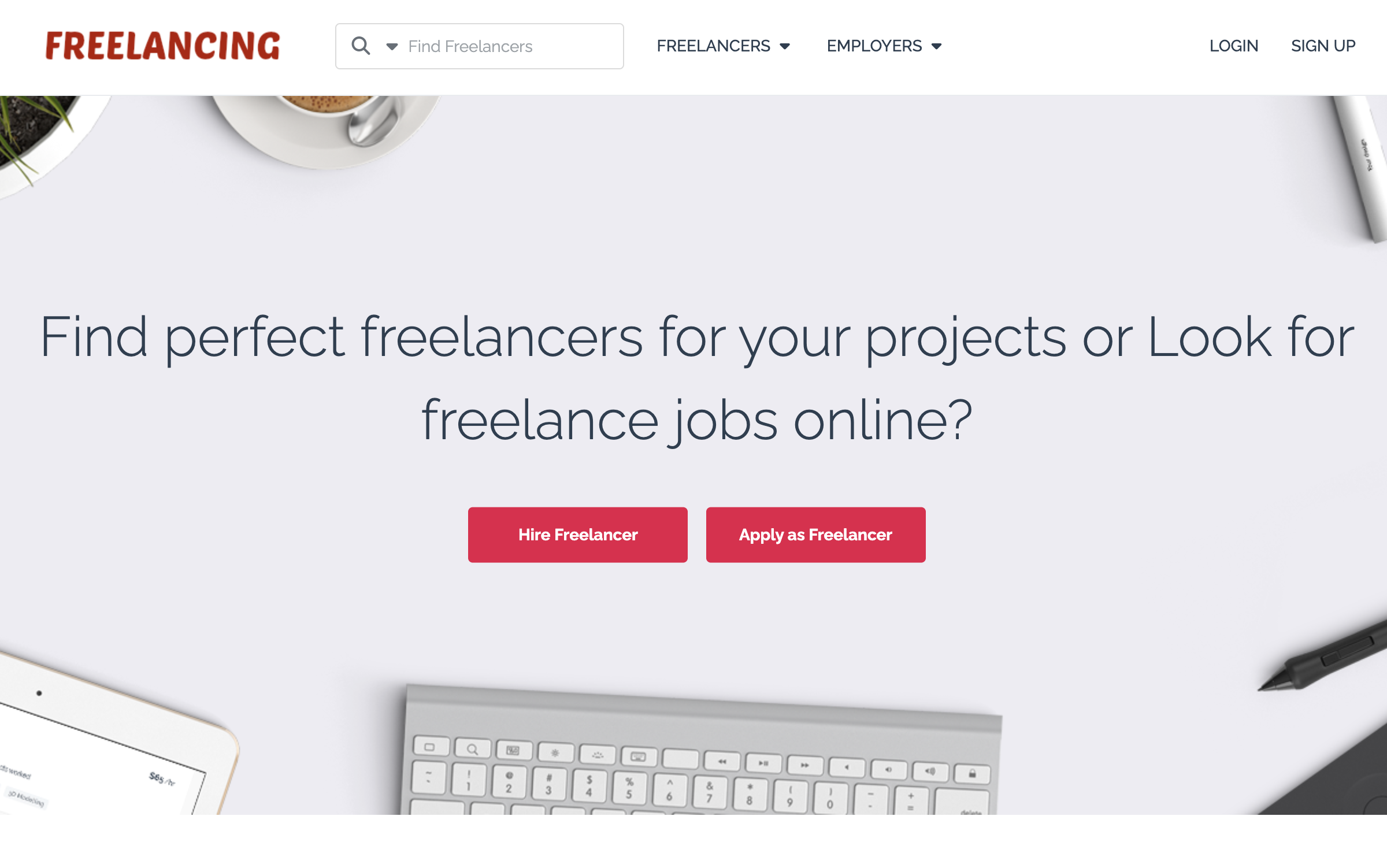
Built to serve Malaysian freelancers and Malaysian businesses, Freelancing.my is local-first.
You're not competing globally — you're competing with other Malaysian talent.
Fees
A flat 10% commission on projects with no bidding fees. Clean and straightforward.
Advantages for Malaysians
Everything is in Ringgit Malaysia (RM). Clients understand the local market. Payment goes directly to your local bank account with no currency conversion headaches.
You're also strengthening the Malaysian freelance ecosystem.
Disadvantages for Malaysians
Smaller client pool compared to international platforms. Average project sizes may be smaller.
The platform is still building brand awareness, so it's not yet the first place every business looks.
Freelancing.my is good for
Freelancers who prefer earning in RM and want to avoid currency conversion fees. Also excellent for building a local client base that can lead to long-term retainer work.
Rtist: Malaysia's Creative Talent Hub

Rtist is Malaysia's first dedicated creative job platform, connecting businesses with local creative talent on demand.
With over 7,000 registered creatives and 2,000+ companies served,
Rtist covers 10 main creative fields — including graphic design, web design, videography, photography, copywriting, multimedia, illustration, and interior design.
Fees
Variable by project type and service category. Rtist operates more as a talent-matching platform than a traditional marketplace, so fee structures depend on the engagement model (freelance, contract, or project-based).
Advantages for Malaysians
Purpose-built for creatives with strong local business connections.
The platform offers both online and offline hiring solutions, meaning you're not just getting gig work — you could land contract or even permanent roles through the same platform.
Strong brand recognition in Malaysia's creative industry.
Disadvantages for Malaysians
Primarily focused on creative fields, so it's not the right fit for developers, writers, or general freelancers.
The platform operates more like a talent agency than an open marketplace, which means it has less control over pricing than Upwork or Fiverr.
Rtist is good for:
Malaysian creatives — designers, videographers, photographers, illustrators, and multimedia professionals — who want a local platform with established business relationships and diverse engagement types beyond just one-off gigs.
Cult Creative: The Creative Niche

Cult Creative is hyper-focused on creatives — designers, videographers, animators, and content creators.
It's not for developers or general writers; it's for visual storytellers.
Fees
Variable, generally 10–15% commission.
Advantages for Malaysians
If you're a designer or visual creative, this is where the right clients go. Higher perceived value means less price-cutting.
Disadvantages for Malaysians
Only relevant if you're in creative fields. Smaller overall marketplace.
Cult Creative is good for
Malaysian creatives who want to work with clients who value design and visual production.
Platform Comparison Table: Fees, Payments & Competition at a Glance
| Platform | Commission | Payment Method | Competition Level | Best For |
|---|---|---|---|---|
| Upwork | 5–20% (sliding) | Wire transfer, Payoneer | Very High | Experienced freelancers |
| Fiverr | 20% (flat) | Payoneer, bank transfer | Very High | High-volume gig work |
| Freelancer.com | 10–15% | Bank transfer, Payoneer | High | Mid-tier freelancers |
| Freelancing.my | 10% (flat) | Local bank (RM) | Medium | Local growth |
| Rtist | Variable | Local bank (RM) | Medium | Creatives & multimedia |
| Cult Creative | 10–15% | Local bank (RM) | Medium | Creatives & designers |
Payment Methods & Withdrawal Options for Malaysian Freelancers
Not every platform pays the same way, and currency conversion fees will eat into your earnings if you're not strategic.
Wire Transfer (USD):
Upwork and Freelancer.com offer wire transfers. Your Malaysian bank will charge RM 20–50 per wire, plus USD 15–25 on the platform side.
The exchange rate adds another 1–2% loss on conversion.
Payoneer
The go-to for Malaysian freelancers on international platforms. Available on most platforms with low withdrawal fees (RM 10–20 for Malaysian bank transfers) and a fair exchange rate.
Most Malaysian freelancers use Payoneer as a middle step: earn on Fiverr or Upwork, cash out to Payoneer, then transfer to their local bank.
Local Bank Transfer
Freelancing.my, Rtist, and Cult Creative all transfer directly to your local bank in RM. No fees, no conversion — money appears in your account in 1–2 working days. I
If you're earning in Ringgit Malaysia (RM), this alone is a compelling reason to consider local platforms.
Quick comparison
Earn RM 5,000 (approximately USD 1,100) on Upwork and withdraw via wire? Expect to lose around RM 200 in fees and conversion.
The same amount earned on Freelancing.my? RM 0 in withdrawal fees. That advantage compounds fast over a year.
SST, Tax Obligations & Compliance for Malaysian Freelancers
You need to handle taxes properly. Here's what to know.
International Platforms (Upwork, Fiverr, Freelancer.com)
You're earning in foreign currency as a self-employed individual. For tax purposes, you must file a personal income tax return declaring all earnings in MYR.
The Inland Revenue Board (LHDN) won't automatically know you're freelancing, but if you're building a real business, register accordingly.
High-earning freelancers who cross the RM 500,000 annual threshold are required to register for SST (Sales and Service Tax).
Local Platforms (Freelancing.my, Rtist, Cult Creative)
The same tax obligations apply. However, local platforms are more transparent with Malaysian tax authorities, so LHDN may flag your income sooner.
Keep receipts and maintain clear records. On the upside, you can deduct legitimate business expenses — equipment, software subscriptions, internet bills — against your income.
General guidance
If your annual freelance income is under RM 75,000, filing your personal tax return (Form B/BE) is typically sufficient.
Above that threshold, consider registering for SSM to demonstrate legitimacy and stay compliant.
Investing RM 500–1,000 in a good accountant is well worth it when you have an incorporated entity.
The Hybrid Strategy: How to Use Multiple Platforms Effectively
You don't have to pick just one. The most successful Malaysian freelancers run a multi-platform strategy.
The recommended mix
- Upwork for high-ticket projects and retainers. Set your hourly rate at RM 100–200+ and be selective. Prioritise quality over volume.
- Fiverr for gig-based work that scales. Create 2–3 core gigs and let them generate consistent orders. Treat this as semi-passive revenue.
- Freelancing.my for local relationships and RM-denominated income. Contacts here often turn into direct, off-platform clients over time.
- Direct contracts as the end goal. Platforms are stepping stones. Once you've built trust with a client, transition them to direct contracts where you keep 100% of your fee.
This approach spreads your income risk and maximises total earnings.
You're not dependent on a single algorithm change or fee hike to disrupt your revenue.
Profile Optimisation Tips by Platform
Your profile is your storefront. A weak profile loses you work before anyone even sees your portfolio.
Upwork Profile Tips
- Write a headline, not a job title: Instead of "Freelance Writer," try "I write data-backed tech articles that drive organic traffic."
- Test your rate: Start at RM75–100/hour, gather reviews, then raise to RM 150+. Clients trust portfolios over pricing.
- Use a professional headshot: and add a cover photo. People hire people they trust.
- List specific skills: "Marketing" is generic and forgettable. "Content Marketing for SaaS" gets hired.
Fiverr Gig Tips
- Optimise your gig title for search: Your gig title is essentially a search query. Use specific keywords like "I will write a 2,000-word SEO blog post" instead of just "Writing."
- Price strategically at launch. RM 100–150 for a strong gig is a solid starting point. Better rankings and early reviews let you raise prices later.
- Offer tiered packages. Basic, Standard, and Premium options give buyers a choice and increase your average order value.
- Add a video introduction. A 30-second video of you explaining your gig can increase conversion rates by 20% or more.
Freelancing.my & Local Platform Tips
- Write in conversational Malaysian English. Local clients appreciate the familiar tone.
- Reference Malaysian context. "I understand Malaysian consumer trends and the local market" resonates with businesses here.
- Build relationships, not transactions. Follow up with past clients, ask for testimonials, and position yourself as a long-term partner.
Red Flags & Scams: How to Protect Yourself on Freelance Platforms
Not every platform protects you equally. Watch for these warning signs.
Vague project descriptions
If the client can't describe what they want in 2–3 sentences, it's probably not a real project, or it'll be impossible to satisfy them.
Unrealistically low budgets
RM 50 for a website redesign or RM 20 for a logo? These signal either scammers or clients who don't value professional work.
Requests to move off-platform
If someone asks you to handle payment outside the platform, you lose all protections. Only consider this after multiple successful projects together.
Generic flattery
Messages like "you're perfect for this!" from accounts with no reviews or history are almost always spam.
Suspicious client history
Check whether the client has paid other freelancers and read their reviews. A thin or questionable track record is a clear warning sign.
Frequently Asked Questions
Can I realistically earn RM 10,000+ per month as a Malaysian freelancer?
Yes, but it takes time. You need a defined niche, a strong portfolio, and typically 6–12 months to build credibility and a client pipeline.
Most Malaysian freelancers earning RM 10,000+ monthly work in high-demand fields like software development, UI/UX design, or content strategy.
Many have also transitioned to retainer arrangements or productized services that provide recurring income.
Is it better to specialise or stay a generalist?
Specialise. A positioning like "I write technical SEO content for SaaS companies" will consistently out-earn "I write anything." Specialisation lets you charge higher rates, rank better in platform searches, and attract clients who know exactly what they need. If you're just starting, it's fine to take varied projects — but narrow your focus as soon as you identify what clients actually pay well for.
How should I handle currency risk when earning in USD?
Use Payoneer to hold your USD earnings and transfer in larger batches rather than converting small amounts daily. If you earn RM 5,000 (approximately USD 1,100) per week, let it accumulate for 2–3 weeks before converting it to RM. This smooths out exchange rate fluctuations and reduces per-transaction fees. Alternatively, take on more work through local platforms that pay you directly in RM.
Should I join multiple freelance platforms at once?
Yes. Don't put all your income in one basket. Use Upwork for premium clients, Fiverr for volume, and Freelancing.my for local growth. The key is managing your workload realistically — juggling 3–4 active platforms requires discipline and good time management.
Which platform has the best dispute resolution for freelancers?
Upwork has the strongest dispute resolution system — they hold funds in escrow and mediate if things go wrong. Fiverr also offers buyer-seller resolution, but tends to side with buyers more often. Freelancer.com has a milestone-based escrow system similar to Upwork. Local platforms like Freelancing.my and Swifty have lighter dispute processes, so you're more reliant on direct communication with the client.
Can I use the same portfolio across all platforms?
Yes, and you should — but tailor how you present it. Upwork clients want case studies and measurable results. Fiverr buyers respond to visual thumbnails and quick proof of quality. On Freelancing, my emphasis is on local relevance and Malaysian projects. The work samples can be the same; the framing should match what each platform's audience expects.
Which platform is best for beginners with no reviews?
Fiverr is the most forgiving starting point because buyers browse gigs rather than evaluating freelancer profiles. You can get your first sale without any review history. Freelancing.my is also beginner-friendly because the pool of competition is smaller. Upwork is the hardest to break into — without reviews, your proposals often get overlooked in favour of established freelancers.
Do platforms penalise me for being inactive?
Yes, some do. Upwork may lower your visibility in search results if you're inactive for extended periods, and your Job Success Score can stagnate without recent contracts. Fiverr demotes gigs that don't receive regular orders or updates. Local platforms are generally more lenient, but an inactive profile on any platform signals to clients that you might not respond quickly.
Is Payoneer worth setting up if I'm mostly on local platforms?
If you're exclusively on Freelancing.my, Swifty, or Cult Creative, you don't need Payoneer — those platforms pay directly to your Malaysian bank in RM. But if you plan to use Upwork or Fiverr at all, Payoneer is worth setting up early. It provides a USD receiving account and typically offers better exchange rates than direct wire transfers to Malaysian banks.
Conclusion: Choosing the Right Freelance Platform in 2026
The best freelance platform for you in 2026 isn't about which one is objectively "best." It's about which one aligns with your skills, your risk tolerance, and your income goals.
If you want global reach and premium rates: Upwork. If you want volume and scalability: Fiverr. If you want zero withdrawal fees and local growth: Freelancing.my. If you want all three: run a hybrid strategy.
The reality is you'll probably test a few platforms before finding your rhythm. That's normal. What matters is that you start, build a portfolio, gather reviews, and get disciplined about raising your rates over time. The platforms are tools — your skills and reputation are what actually earn the money.
Now go build something.




Comments